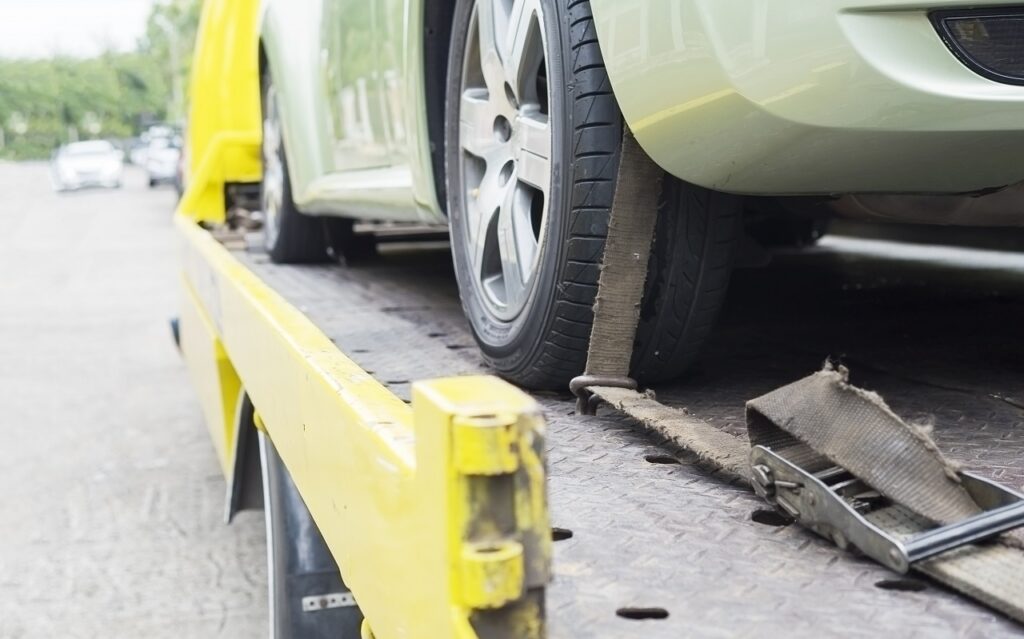


You’re cruising down I-95, miles from Orlando, when smoke starts billowing from under your hood. Or perhaps you’re navigating unfamiliar mountain roads when a tire blows. These scenarios happen to even the most prepared travelers. At Nimble Towing Service, we’ve rescued countless Orlando drivers from roadside predicaments that could have been less stressful with proper preparation.
A comprehensive road trip emergency kit isn’t just a good idea—it’s essential for anyone venturing beyond Orlando’s city limits. According to AAA, over 32 million American drivers experience a breakdown annually, with the summer road trip season seeing the highest numbers. Being prepared can transform a potential trip-ruining disaster into a minor inconvenience.
In this guide, we’ll walk through everything Orlando drivers should pack in their road trip emergency kit—from basic safety equipment to vehicle repair tools, first aid supplies, and comfort items. While our team at Nimble Towing is always ready to help with long-distance towing needs at (407) 357-0777, having your own emergency resources provides peace of mind when you’re far from home.
The foundation of any road trip emergency kit starts with items that keep you safe while waiting for help. These essentials ensure you remain visible and protected in various conditions.
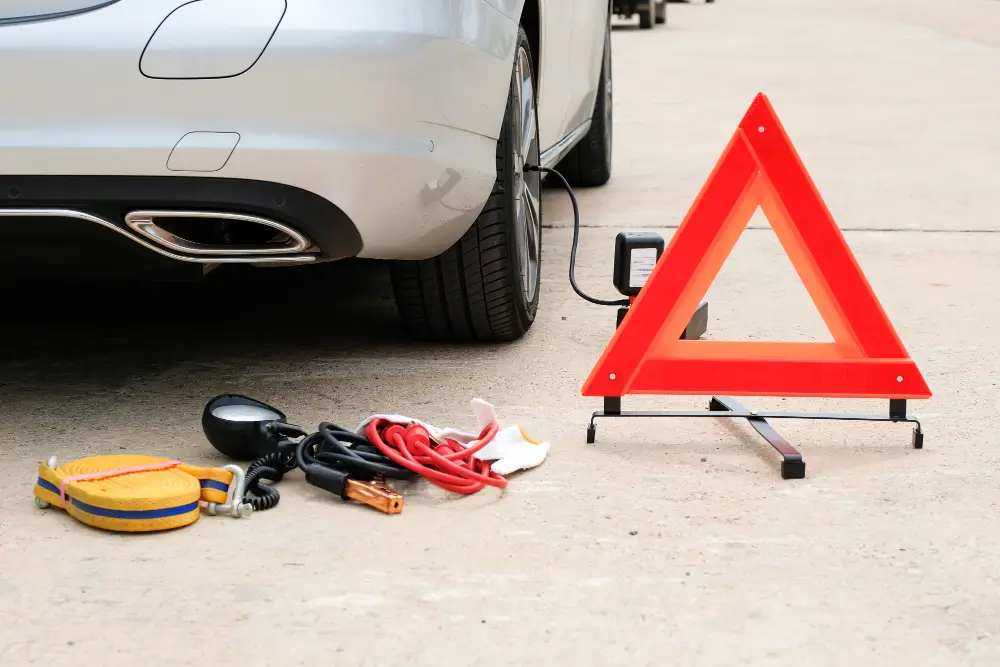
Warning triangles and reflectors should be your first priority. Place these 50, 100, and 150 feet behind your vehicle to alert approaching traffic. Modern LED flares offer advantages over traditional chemical flares, particularly in Florida’s humid climate where traditional flares can deteriorate faster.
What other visibility items should you include?
These items don’t take much space but dramatically improve safety during roadside emergencies. Store them in an accessible location—not buried under luggage where they’re impossible to reach when needed.
Would you know how to handle a minor injury miles from the nearest hospital? A properly stocked first aid kit is crucial for road trip preparedness, especially when traveling through remote areas where medical help might be distant.
A quality road trip first aid kit should include:
Consider creating a medical information card listing allergies, conditions, and emergency contacts. This can be invaluable if you’re incapacitated and first responders need information quickly.
Pre-assembled kits offer convenience, but always supplement them with family-specific items like children’s medications or specialized supplies for existing medical conditions.
Vehicle troubles don’t wait for convenient locations. Having the right tools can mean the difference between a quick fix and an expensive tow.
Your vehicle repair kit should contain:
Tire inflation kit and pressure gauge: Tire pressure changes with temperature fluctuations, especially when driving from Florida’s heat to cooler climates. A portable tire inflator that plugs into your vehicle’s 12V outlet can save you from driving on dangerously underinflated tires.
Jumper cables or portable jump starter: Dead batteries happen unexpectedly. Modern lithium jump starters are compact enough to fit in a glove box while powerful enough to start most vehicles multiple times on a single charge.
Extra fluids: Pack a quart of motor oil, coolant, and windshield washer fluid. Leaks or consumption issues become more apparent during long drives, and having these on hand prevents further damage.
Basic repair supplies should include:
Even if you’re not mechanically inclined, having these items means a Good Samaritan could help you make roadside repairs without hunting for supplies.
Road trip emergencies often involve waiting—for help, for parts, or for conditions to improve. Comfort items become survival necessities during extended delays.
Water tops the list of priorities. Pack at least one gallon per person per day of anticipated travel, plus extra for unforeseen delays. In Orlando’s heat, dehydration can become dangerous quickly, and this remains true even when traveling to cooler regions.
What about food? Non-perishable, energy-dense options are ideal:
Clothing considerations vary dramatically when leaving Florida. Pack layers that can be added or removed as temperatures change. A lightweight rain jacket, extra socks, and a warm hat take minimal space but provide significant comfort during unexpected weather.
Don’t forget technology needs. Include:
Orlando drivers face unique challenges when road tripping to other regions. Our subtropical climate doesn’t prepare us for driving conditions elsewhere.
Hurricane season (June through November) requires additional vigilance when traveling coastal routes. Monitor weather forecasts carefully and have evacuation routes planned if traveling during these months.
Driving north? Temperature transitions can surprise Orlando residents used to our warm climate. Pack appropriate clothing and be prepared for your vehicle to behave differently in colder temperatures—battery performance may decrease, and tire pressure will drop as temperatures fall.
Heading west through desert regions presents opposite challenges with extreme heat. Your cooling system faces increased demands, making coolant and extra water even more critical.
Organization matters almost as much as contents. Store your road trip emergency kit in a dedicated container that’s easily accessible in your vehicle.
A sturdy plastic tote with a secure lid works well for most supplies, while a separate soft-sided bag keeps first aid items together. Label containers clearly so anyone can find needed items quickly during stressful situations.
Remember to inspect your kit regularly—at least twice yearly and before major trips. Check expiration dates on medications and food items, test flashlight batteries, and verify that seasonal items match your upcoming travel plans.
Some situations exceed DIY solutions. Know when to call for professional help rather than attempting potentially dangerous repairs.
Warning signs that require professional assistance include:
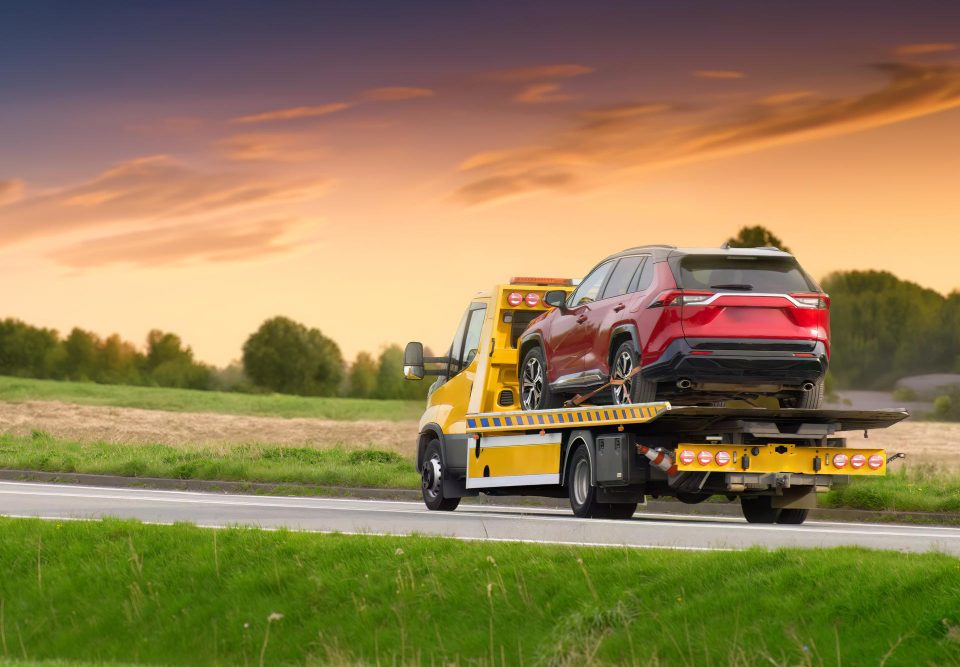
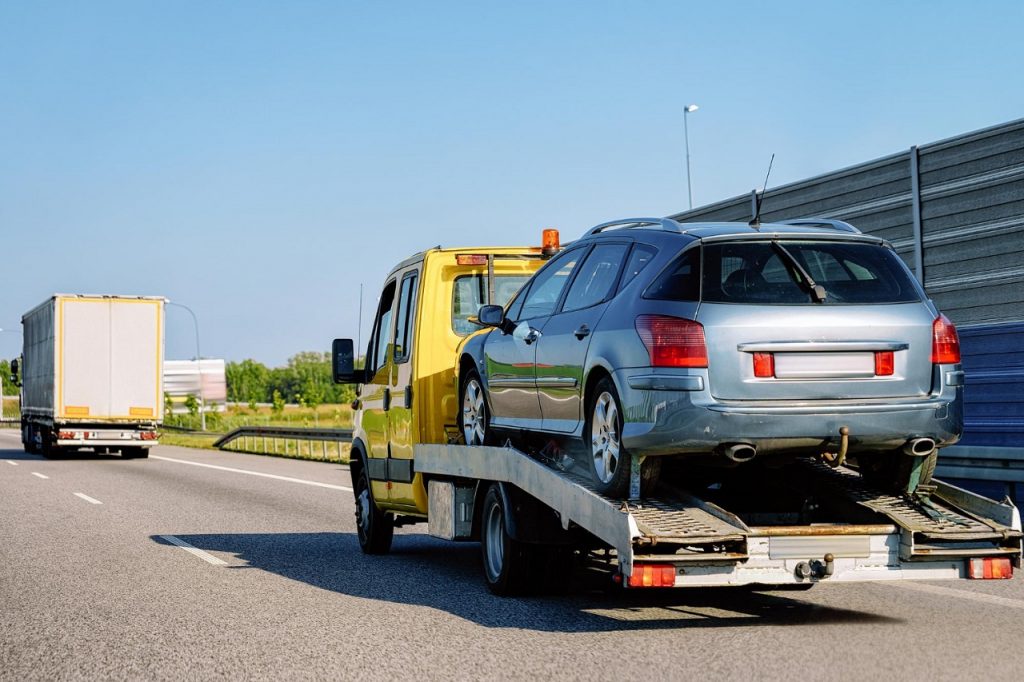
At Nimble Towing Service, we specialize in long-distance towing for Orlando drivers facing serious breakdowns far from home. Program our number (407) 357-0777 into your phone before leaving on extended trips.
Always understand your insurance coverage for out-of-state breakdowns and towing. Many policies have mileage limitations that could leave you facing significant expenses without supplemental coverage.
A well-prepared road trip emergency kit provides more than just practical tools—it delivers peace of mind when venturing beyond familiar Orlando roads. The items we’ve discussed represent a small investment compared to the security they provide during unexpected emergencies.
At Nimble Towing Service, we’re committed to helping Orlando drivers stay safe on the road, whether through these preventative measures or through our professional long-distance towing assistance when needed. Remember that we’re always just a call away at (407) 357-0777 if your road trip takes an unexpected turn.
Before your next journey, take time to assemble your personalized road trip emergency kit. The preparations you make today could transform tomorrow’s potential crisis into a minor delay on an otherwise memorable adventure.
What essential items do you always pack in your road trip emergency kit? Share your road trip preparedness tips with fellow Orlando travelers!