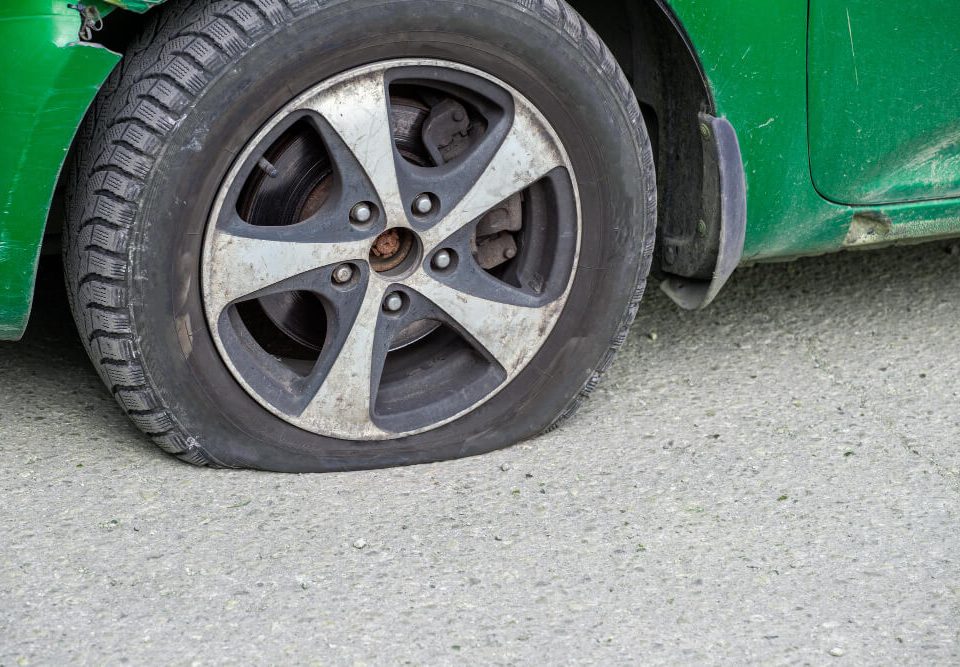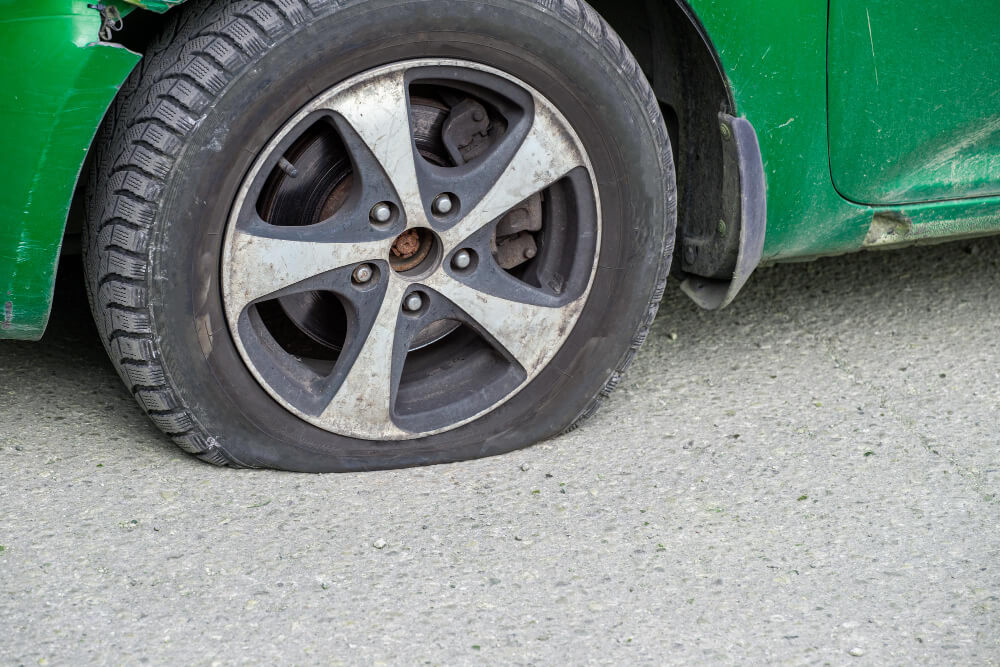


The screech of rubber, the thump-thump-thump rhythm, and the sinking feeling in your stomach—flat tires happen to every driver eventually. Having a proper tire emergency kit is the difference between a minor delay and hours stranded on Orlando’s busy roadways. Whether on I-4 during rush hour or stuck in a summer downpour near Disney, a well-stocked tire emergency kit can transform a stressful situation into a manageable one.
At Nimble Towing Service, we respond to tire emergencies throughout Orlando every day. While our team is always ready to help at (407) 357-0777, having your own tire emergency kit can save you time, stress, and money when roadside troubles strike. Florida’s unique combination of heat, sudden storms, and debris-filled roads makes tire issues particularly common here.
Let’s explore the seven must-have items every Orlando driver should keep in their trunk to handle tire emergencies confidently.
A comprehensive tire emergency kit isn’t just random tools—it’s thoughtfully selected equipment that works together to get you back on the road safely.
Orlando’s driving conditions present unique challenges. Our summer heat can degrade equipment, while sudden downpours can turn a simple tire change into a dangerous situation. Tourist traffic means shoulders are often narrow and busy, making safety equipment vital.
Store your kit in a dedicated container to prevent items from rolling around. A sturdy plastic bin with a secure lid can withstand Florida’s heat without warping. Check your kit seasonally, especially before summer road trips.
Have you checked your spare tire lately? Many drivers discover their spare is flat when they need it most.
Whether you have a full-size spare or a temporary “donut,” verify it’s properly inflated monthly. Florida’s temperature fluctuations can cause significant pressure changes.
For donut spares, remember they’re designed for limited use—typically no more than 50 miles at speeds under 50 mph. This is crucial to remember if you get a flat near tourist areas where you might need to navigate congested roads to reach a tire shop.
Protect your spare from extreme heat when possible by using a spare tire cover, especially if it’s mounted externally.
The jack that came with your vehicle is specifically designed for its weight and lift points, so using the correct one is crucial for safety.
Locate your vehicle’s designated jack points by consulting your owner’s manual. Using incorrect lifting points can damage your vehicle or cause the jack to fail—a dangerous situation on busy Orlando roads.
Consider upgrading to a four-way lug wrench or adding a breaker bar to your tire emergency kit for additional torque. For smaller drivers, this can make the difference between handling the situation independently or needing assistance.
In Florida’s humidity, periodically check your jack and lug wrench for rust, and apply a light lubricant to moving parts.
A pressure gauge is essential even if your vehicle has a tire pressure monitoring system, as these often don’t alert you until pressure is significantly low and don’t provide exact PSI when refilling.
Digital gauges offer precise readings and work better in low-light conditions, which helps during Orlando’s summer thunderstorms. Florida’s temperature swings can impact tire pressure significantly—a 10-degree change can alter pressure by 1-2 PSI.
Keep your gauge in your glove compartment rather than the trunk, as extreme heat can affect its accuracy over time.
Sometimes a tire just needs air rather than a complete change. A portable inflator can turn a potential roadside emergency into a minor inconvenience.
Consider adding one of these to your tire emergency kit:
Look for models with built-in pressure gauges and automatic shut-off features to prevent over-inflation, which is common in Florida’s heat.
Many punctures can be temporarily repaired roadside, allowing you to reach a professional facility without using your spare.
A quality repair kit should include tire plugs, insertion tools, reaming tools, and scissors to trim excess material. These work best on tread punctures away from sidewalls and can safely extend a tire’s usability for up to 100 miles—enough to get you from UCF to downtown without requiring immediate assistance.
Remember that tire repairs aren’t appropriate for all situations. Sidewall damage, large punctures, or blowouts require tire replacement, not repair.
On Orlando’s busy highways where distracted tourists and commuters abound, visibility is crucial during roadside emergencies.
Include in your tire emergency kit:
When placing warning devices, use the “10-100-100” rule: first triangle 10 feet behind your vehicle, second 100 feet back, third 100 feet beyond that. This gives approaching drivers adequate warning on highways like I-4 where speeds regularly exceed 70 mph.
Complete your tire emergency kit with items that make the process safer and more comfortable:
Durable work gloves protect your hands from hot wheels and sharp debris—particularly important during Orlando’s scorching summers when vehicle parts can burn bare skin.
A quality flashlight or headlamp with fresh batteries is essential for nighttime emergencies or during afternoon thunderstorms when visibility drops dramatically.
Include a compact rain poncho for sudden downpours and a small tarp or mat for a clean place to kneel when working on dirty road shoulders.
Set calendar reminders to check your kit quarterly, especially before summer road trip season. Verify spare tire pressure, battery function in electronic devices, expiration dates on repair kits, and tool condition.
Florida’s extreme conditions can deteriorate equipment faster than expected. Heat degrades rubber components and batteries, while humidity promotes rust. Replace deteriorated items promptly.
Having these seven essential items in your tire emergency kit puts you in control when tire troubles strike. From International Drive to Lake Nona, Orlando’s diverse roadways all share one commonality—tire issues can happen anywhere.
At Nimble Towing Service, we’re always ready to help with professional mobile flat tire service when you need us at (407) 357-0777. But there’s unmistakable confidence in knowing you can handle many situations independently.
Take time this week to assemble or update your tire emergency kit. A small investment in preparation can save significant stress when you need it most—because in tire emergencies, the prepared driver always fares better than the surprised one.