

A commercial truck breaks down on I-4 during rush hour. The towing company shows up, looks at the vehicle, and tells the driver they do not have the right equipment for the job. Now the driver is stranded, freight is sitting on one of Orlando’s busiest interstates, and time is ticking. This kind of situation happens more often than most people realize, and it almost always comes down to one thing: not knowing what heavy duty towing actually is or when it requires a specialized response. This article covers exactly that. If you are in the Orlando area and need help right now, Nimble Towing Service is available 24 hours a day at (407) 357-0777.
Towing is not a one-size-fits-all service. The industry classifies towing by vehicle weight, and heavy duty towing refers specifically to the recovery and transportation of vehicles that fall outside the capacity of light or medium duty tow trucks.
As a general reference point, light duty towing typically covers passenger vehicles under 10,000 pounds. Medium duty handles vehicles up to around 26,000 pounds. Heavy duty towing is designed for everything above that threshold, including vehicles that can weigh 80,000 pounds or more when fully loaded.
The category is defined by weight and complexity, not just how large a vehicle looks from the outside. A vehicle can appear manageable on the surface but still require heavy duty equipment to move safely.
The difference between heavy duty towing and standard towing goes well beyond the size of the truck that shows up. It involves specialized equipment, advanced operator training, and a completely different approach to rigging and recovery.
Standard tow trucks use basic wheel lift or flatbed systems designed for everyday passenger vehicles. Heavy duty operations require equipment like rotator cranes, heavy duty underlift extenders, and multi-axle recovery vehicles built to handle the weight, balance, and structural demands of large commercial vehicles.
Operators working in heavy duty recovery also need training that goes well beyond a standard towing certification. A rollover recovery involving a loaded semi-truck, for example, requires calculating load weight, assessing road conditions, and coordinating rigging points in a way that keeps the entire recovery scene safe.
Using the wrong equipment on a heavy vehicle is not just ineffective. It creates serious risks including additional vehicle damage, cargo loss, and road hazards that affect other drivers. Matching the right equipment to the job is a non-negotiable part of doing this work correctly.
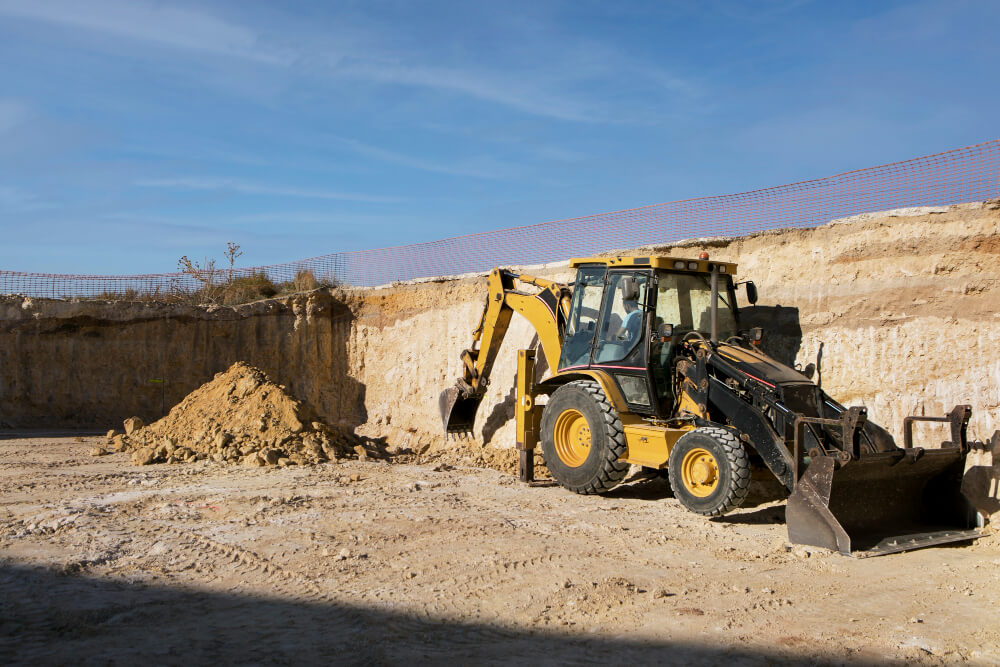
Knowing whether your vehicle falls into the heavy duty category is the first step toward making the right call in a breakdown situation. Here are the most common vehicle types that require heavy duty towing:
If you are unsure whether your vehicle qualifies, the safest approach is to contact a towing company directly and provide the vehicle’s make, model, and gross vehicle weight rating before they send a truck out.
This is the question that matters most when you are standing next to a disabled vehicle on the side of the road. Heavy duty towing is the right call in the following situations.
A commercial vehicle breaks down on a highway or major road and cannot be safely driven to a repair facility. In Orlando, this often means situations on I-4, the Florida Turnpike, SR-408, or SR-417, where a disabled heavy vehicle creates an immediate traffic and safety concern.
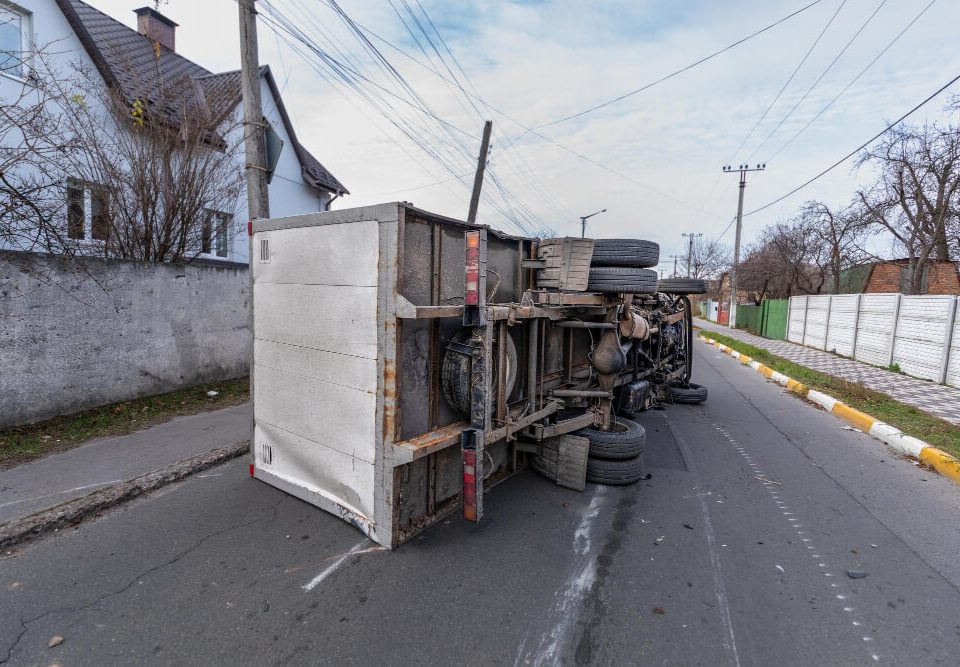
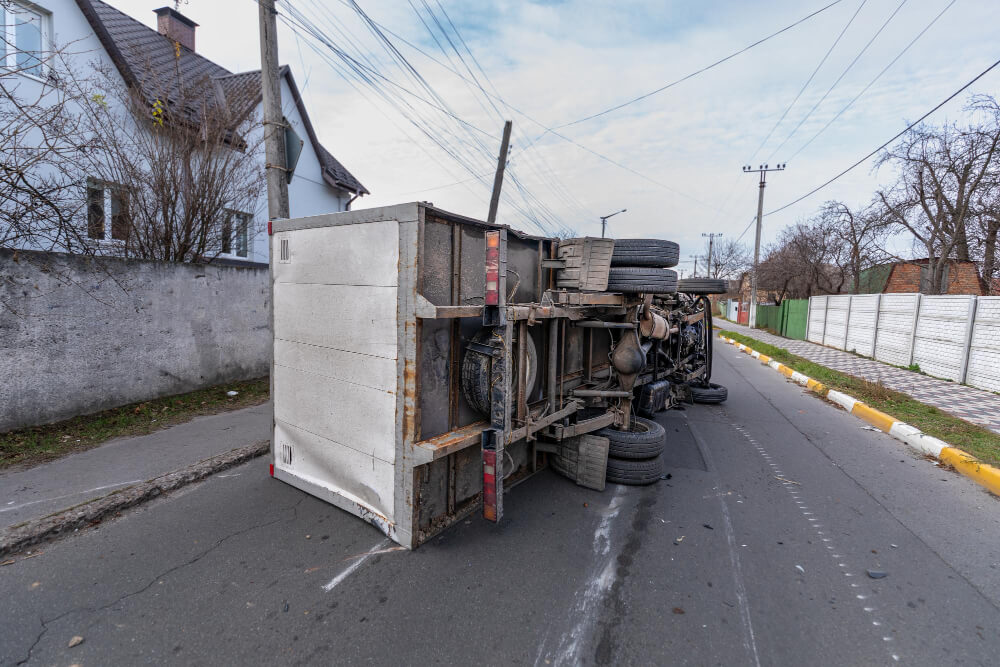
A rollover or jackknife incident involving a large truck requires a rotator crane to right the vehicle and clear the scene. This is one of the most complex recovery scenarios in the industry and requires specialized equipment and trained operators without exception.
A vehicle has gone off the road or into a ditch and needs to be winched or extracted from a position that a standard tow truck cannot safely access.
A fleet vehicle needs to be relocated to a repair facility but cannot be driven due to mechanical failure, brake issues, or structural damage from an accident.
Any situation where the vehicle’s weight or recovery complexity exceeds what a light or medium duty truck is rated to handle. When in doubt, always compare the weight rating of the tow truck to the gross vehicle weight of the disabled vehicle before any towing attempt begins.
Calling the wrong tow truck for a heavy vehicle is a mistake that tends to get expensive very quickly. An undersized truck attempting to tow a commercial vehicle can cause frame damage, suspension damage, and drivetrain damage that has nothing to do with the original breakdown.
There is also a safety dimension that often goes overlooked. Improperly rigged recoveries can result in a vehicle becoming unstable during transport. On a busy road, that is a serious hazard for the operator, the driver, and everyone else nearby.
The repair costs from a botched towing attempt can easily exceed what the tow itself would have cost if the right company had been called from the start. It is a situation that is almost entirely avoidable with the right information upfront.
Not every towing company that advertises heavy duty service has the right equipment or experience for every situation. Before committing to a provider, a few direct questions go a long way.
Does the company have equipment rated for the weight of your specific vehicle? Do their operators hold training and certification in heavy recovery, not just standard towing? Is the company properly licensed and insured to handle commercial vehicle towing in Florida? Have they worked with your type of vehicle before, whether that is a semi, a bus, or a piece of construction equipment?
A qualified company will answer these questions clearly and without hesitation. Vague or evasive answers are useful information too.
What is heavy duty towing?
Heavy duty towing is the recovery and transportation of vehicles that exceed the weight limits of standard light or medium duty tow trucks. This typically includes semi-trucks, commercial vehicles, buses, large motorhomes, and heavy construction equipment.
How do I know if my vehicle needs heavy duty towing?
The most reliable way to determine this is by comparing your vehicle’s gross vehicle weight rating to the capacity of the tow truck. If your vehicle weighs more than 26,000 pounds, or if the recovery involves a rollover, winching, or complex rigging, heavy duty towing is almost certainly required.
Can a regular tow truck tow a semi-truck?
No. A standard light or medium duty tow truck does not have the equipment or weight rating to safely tow a semi-truck. Attempting to do so can cause additional damage to the vehicle and create a safety hazard on the road.
What should I do while waiting for a heavy duty tow truck?
Stay with your vehicle if it is safe to do so, activate your hazard lights, and if you are on a highway, stay behind any barriers or guardrails well away from moving traffic. Call 911 if the vehicle is blocking lanes or if anyone is injured.
Heavy duty towing is a specialized service, and understanding what it involves helps you make faster and smarter decisions when something goes wrong with a commercial vehicle. The core takeaways are straightforward: heavy duty towing is defined by weight and recovery complexity, it requires equipment and training that go well beyond standard towing, and using the wrong truck for the job creates risks that are entirely avoidable.
If you are in the Orlando area and dealing with a heavy vehicle situation, Nimble Towing Service is available 24 hours a day, seven days a week at (407) 357-0777. Reach out to us before making a call you might regret, and we will help you figure out exactly what your situation requires.