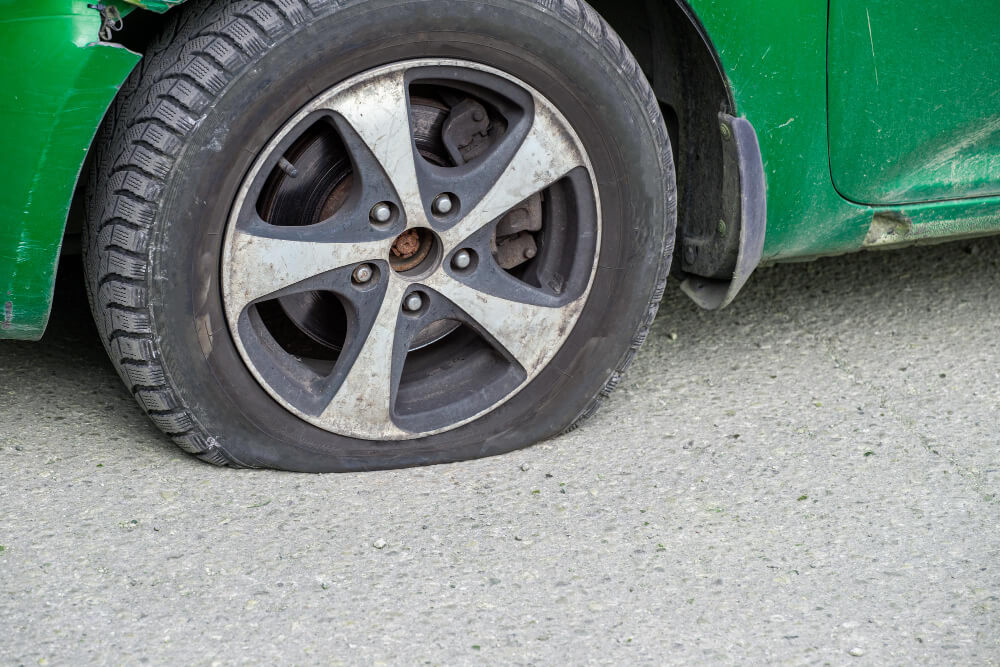
Your tire goes flat in a Disney World parking lot under the blazing Florida sun. You grab that can of emergency tire sealant from your trunk, confident it will get you back on the road quickly. Twenty minutes later, you’re still stranded because the fix-a-flat spray doesn’t work as you expected.
Emergency tire sealants struggle in Florida’s extreme heat, leaving drivers frustrated and stuck when they need help most. At Nimble Towing Service (407) 357-0777, we regularly assist Orlando drivers with our reliable flat tire service.
Here’s why these products fail in Florida heat and what works better for Orlando’s challenging conditions.
How Fix a Flat Spray is Supposed to Work
Emergency tire sealants combine liquid sealing compounds with pressurized propellant to temporarily seal small punctures. The product shoots sealant material into your tire through the valve stem, where it’s supposed to coat the inner surface and plug holes from the inside.
Manufacturers design these products for punctures smaller than 6mm in moderate temperature conditions. The sealant needs specific viscosity levels to flow properly and form effective seals. Most products work best in temperatures between 32°F and 85°F, which immediately creates problems for year-round Florida use.
These emergency solutions appeal to drivers because they seem convenient and cost-effective. Marketing promises of quick roadside fixes without tire changes sound perfect for busy Orlando traffic conditions. However, real-world performance rarely matches these claims when temperatures soar above 90°F.
Why Orlando’s Heat Makes Fix a Flat Spray Doesn’t Work Effectively
Temperature Effects on Sealant Chemistry
Orlando’s summer temperatures regularly exceed 90°F, with heat indexes often climbing over 100°F. These extreme temperatures fundamentally alter how tire sealants behave. The liquid compounds become too thin to form proper seals, while propellant gases expand beyond optimal pressure ranges.
Chemical breakdown accelerates rapidly in high heat conditions. Sealant compounds that might remain stable for hours in moderate temperatures can deteriorate within minutes when exposed to Florida’s intense sun and elevated pavement temperatures.
Florida Sun and Pavement Heat Amplification
Asphalt temperatures in Orlando parking lots and roadways can reach 140°F to 160°F during summer afternoons. This extreme heat transfers directly into tire rubber and air chambers, creating internal temperatures that exceed most sealant products’ operational limits.
The heat also affects tire pressure dynamics. As air inside your tire expands from heat, it creates higher internal pressure that can prevent sealants from properly adhering to puncture areas. The expanding air actually works against the sealing process.
Humidity and Moisture Complications
Orlando’s high humidity levels create additional challenges for emergency tire sealants. Moisture in the air and on road surfaces can contaminate puncture areas, preventing proper adhesion of sealing compounds. Many sealants require relatively dry conditions to bond effectively with tire materials.
The combination of heat and humidity also accelerates chemical reactions that break down sealant effectiveness before repairs can set properly.
Common Failure Scenarios Orlando Drivers Face
Orlando’s theme park areas present particularly challenging conditions for emergency tire repairs. Parking lots at Disney World, Universal Studios, and other attractions combine maximum sun exposure with extended periods of tire heat buildup while vehicles sit unattended.
Highway emergencies during summer months create dangerous situations when fix a flat spray doesn’t work as expected. Interstate 4, State Road 408, and other major Orlando thoroughfares expose drivers to extreme heat while attempting repairs. The combination of hot pavement, tire temperatures elevated from highway driving, and time pressure often leads to improper application and product failure.
Construction zones throughout Orlando create multiple puncture scenarios that exceed typical sealant capabilities. Road debris, exposed rebar, and sharp materials often cause damage too extensive for temporary sealants to handle effectively.
What Happens When Emergency Sealants Fail
Safety concerns multiply quickly when drivers discover their emergency repair attempts have failed. Being stranded in high-traffic areas like International Drive or busy shopping centers creates dangerous exposure to moving vehicles. False confidence in temporary repairs can lead to catastrophic tire failure while driving.
Failed sealant attempts often complicate professional repairs. Residue inside tires can interfere with proper patching procedures, sometimes requiring complete tire replacement instead of simple repairs. The sticky compounds can also damage tire pressure monitoring sensors, leading to expensive electronic component replacements.
Multiple failed attempts increase both time delays and total costs. Drivers often purchase several cans of different sealant products, hoping to find one that works, while professional assistance becomes more expensive due to extended service calls or towing distances.
Better Alternatives for Orlando’s Climate
Professional roadside tire service provides reliable solutions regardless of weather conditions. Trained technicians carry proper tools designed to work effectively in extreme heat and understand how Florida’s climate affects tire repairs. They can safely change tires in dangerous locations and properly assess whether punctures are repairable.
Maintaining a properly inflated spare tire offers the most reliable backup option for Orlando drivers. Check spare tire pressure monthly, as Florida’s heat causes faster pressure loss than in moderate climates. Store spare tires away from direct sunlight when possible to prevent rubber deterioration.
Quality portable air compressors serve as better alternatives to sealants for minor leaks. They provide temporary inflation without introducing chemicals that complicate professional repairs. This approach gets you to proper repair facilities safely without compromising future repair options.
Prevention Strategies for Florida Conditions
Regular tire inspections become more critical in Orlando’s heat. Check for signs of heat-related wear, including sidewall cracking, tread separation, or unusual bulges. Florida’s intense UV exposure accelerates tire aging, making visual inspections essential for preventing roadside failures.
Proper tire pressure maintenance requires more frequent monitoring in extreme heat conditions. Check pressures when tires are cool, preferably early morning before heat buildup occurs. Adjust pressures according to temperature changes, as properly inflated tires resist puncture damage better than under-inflated ones.
Route planning helps avoid known hazard areas during peak heat hours when possible. Familiarize yourself with reliable tire service locations along your regular Orlando routes, especially if you frequently travel to theme parks or airport areas.
Professional Help When You Need It
Fix a flat spray doesn’t work reliably in Orlando’s extreme heat conditions, leaving drivers vulnerable during emergencies. The combination of chemical limitations, temperature extremes, and humidity creates conditions that defeat these temporary solutions when you need them most.
Professional tire service provides safe, reliable solutions regardless of weather conditions or time of day. When emergency situations arise, don’t risk your safety with products that aren’t designed for Florida’s challenging climate.
Contact us at Nimble Towing Service (407) 357-0777 for professional tire assistance throughout Orlando. We understand the unique challenges Florida drivers face and provide reliable solutions that work when emergency products fail you.