Are you wondering which towing method is best for your vehicle? The choice between flatbed and wheel lift towing can significantly impact your vehicle’s safety during transport. This decision becomes even more crucial when dealing with specialty vehicles or emergency situations. Here at Nimble Towing Service, we regularly assist vehicle owners in Orlando who face this exact dilemma.
As your trusted Orlando towing experts, we’ll break down five crucial scenarios where choosing the right towing method matters most. We’ll explore the technical aspects, safety considerations, and specific situations where one method clearly outperforms the other. Whether you’re dealing with a damaged vehicle or transporting a luxury car, understanding these differences can save you from potential headaches and costly repairs. Contact us at (407) 357-0777 for professional flatbed towing service, but first, let’s dive into what you need to know about these towing methods.
Understanding the Basics of Towing Methods
What is Flatbed Towing?
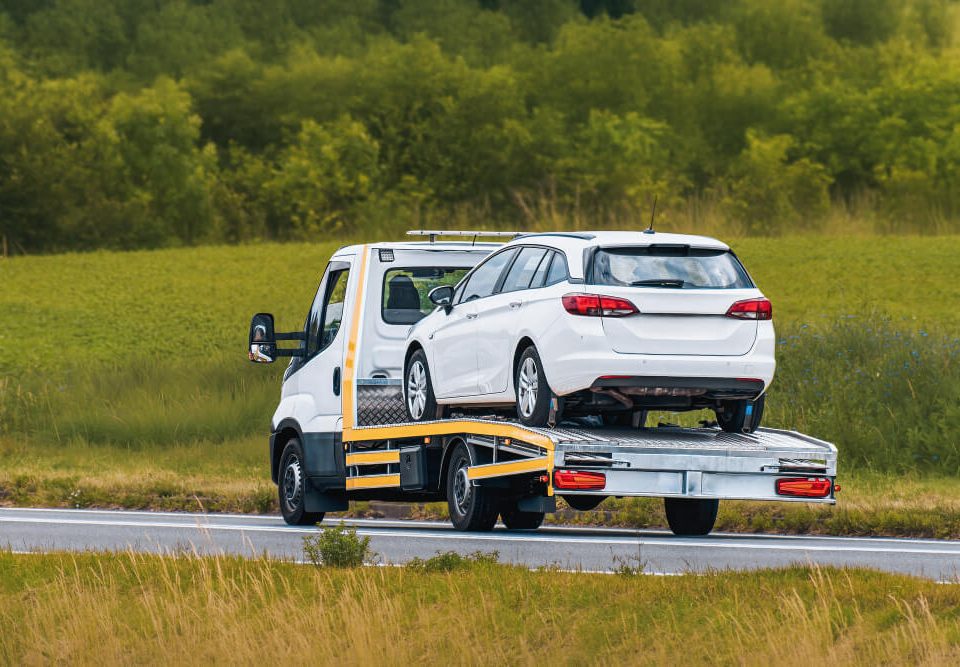
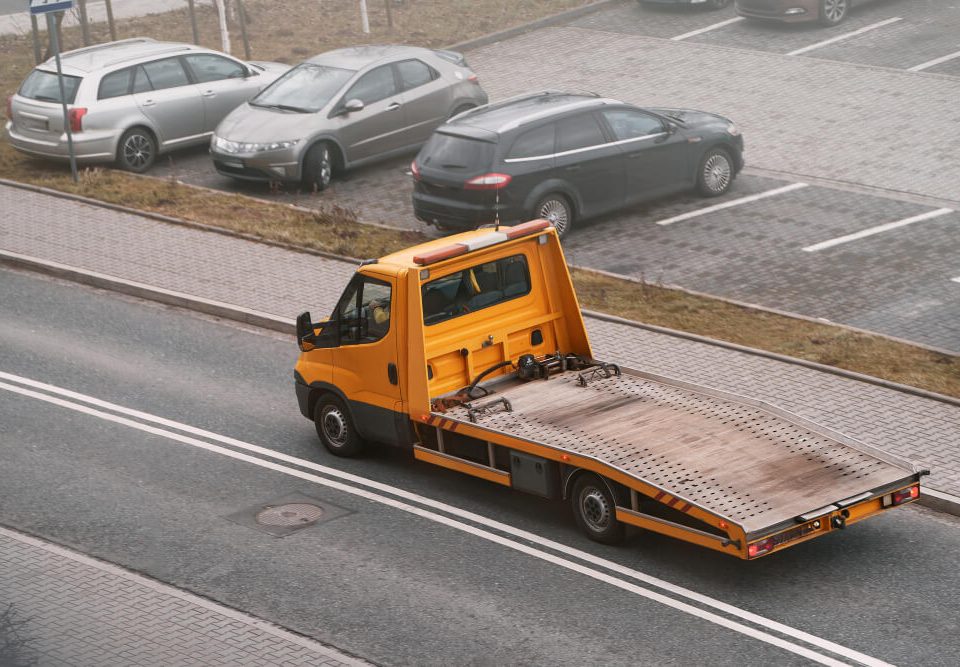
Flatbed towing involves a truck with a flat, level surface that hydraulically tilts to allow vehicles to be driven or winched onto it. Once loaded, your entire vehicle rests securely on the flatbed, with all four wheels off the ground. This method provides maximum protection and stability during transport. The hydraulic system ensures smooth loading and unloading, while the flat surface eliminates stress points on your vehicle’s frame and suspension.
The securing process involves multiple tie-down points and specialized straps that keep your vehicle firmly in place without putting excessive pressure on any single component. This comprehensive support system makes flatbed towing particularly valuable for vehicles with special requirements or damage.
How Does Wheel-Lift Towing Work?
Wheel-lift towing uses a metal yoke that cradles either the front or rear wheels, lifting them off the ground while the other end of the vehicle rolls freely. This modern evolution of traditional hook-and-chain towing offers better protection but has limitations compared to flatbed options. The system includes protective brackets and safety chains to ensure secure transport.
The wheel-lift mechanism can be adjusted to accommodate different vehicle sizes and weights, making it a versatile option for standard towing situations. However, this method requires careful consideration of the vehicle’s drive system and ground clearance.
Five Key Scenarios for Flatbed vs Wheel Lift Towing
1. Dealing with Damaged Vehicles
When handling damaged vehicles, flatbed towing clearly takes the lead. Structural damage, bent frames, or disabled wheels require the complete support that only a flatbed can provide. The even weight distribution prevents additional stress on damaged components, while the secure platform ensures no further damage occurs during transport.
Consider situations involving:
- Collision damage affecting wheel alignment
- Broken axles or suspension components
- Vehicles with multiple flat tires
- Structural damage that compromises vehicle stability
In these cases, the comprehensive support of a flatbed prevents existing damage from worsening during transport.
2. Luxury and Low-Clearance Vehicles
High-end vehicles and those with minimal ground clearance benefit significantly from flatbed transport. Sports cars, modified vehicles, and luxury automobiles often have specialized undercarriage components that could be damaged by wheel-lift equipment. The flat loading angle and complete vehicle support make flatbed towing the safer choice for these valuable investments.
Key considerations include:
- Custom body kits and modifications
- Expensive carbon fiber components
- Air suspension systems
- Extended side skirts and specialized bumpers
The zero-contact approach of flatbed loading protects these vulnerable components from potential damage.
3. All-Wheel Drive (AWD) Vehicles
AWD vehicles present unique challenges for towing. These sophisticated drivetrains can suffer serious damage if towed with wheels on the ground. Flatbed towing eliminates any risk to the AWD system by keeping all wheels stationary and off the ground during transport. Many vehicle manufacturers specifically recommend flatbed towing for their AWD models.
The complexity of modern AWD systems means that even short-distance towing with wheels on the ground can lead to:
- Transmission damage
- Differential wear
- Transfer case problems
- Computer system errors
4. Long-Distance Transportation
For extended journeys, flatbed towing offers superior protection and peace of mind. Your vehicle experiences no road wear during transport, and there’s no risk of transmission damage that could occur with wheel-lift towing over long distances. The stable platform also reduces stress on your vehicle’s suspension system.
Additional benefits for long-distance transport include:
- Protection from road debris
- Reduced tire wear
- Better fuel efficiency for the tow truck
- Enhanced stability in varying weather conditions
5. Accident Recovery Situations
In accident scenarios, flatbed towing provides the versatility and safety needed for proper vehicle recovery. The adjustable loading angle and winch systems can safely retrieve vehicles from difficult positions, while the flat surface ensures stable transport regardless of vehicle damage.
Accident recovery often involves:
- Vehicles in precarious positions
- Multiple points of damage
- Fluid leaks
- Compromised structural integrity
Flatbed Towing vs Wheel Lift: Making the Right Choice for Your Vehicle
When deciding between flatbed and wheel-lift towing, consider these comprehensive factors:
- Vehicle type and specific model requirements
- Current condition and any existing damage
- Distance of transport and route conditions
- Manufacturer recommendations and warranty requirements
- Weather conditions and road hazards
- Vehicle modifications and aftermarket components
- Time constraints and accessibility issues
Your vehicle’s safety should always be the primary concern. While wheel-lift towing remains a viable option for many standard towing situations, flatbed towing offers superior protection and versatility across a broader range of scenarios.
Conclusion
Understanding the differences between flatbed and wheel-lift towing helps you make informed decisions about your vehicle’s transport needs. At Nimble Towing Service, we’re committed to providing the safest and most appropriate towing solution for your specific situation. Our experienced team is available 24/7 to help you determine the best towing method for your vehicle.
Need professional advice or assistance with vehicle towing in Orlando? Give us a call at (407) 357-0777. Our experts will evaluate your situation and recommend the most suitable towing method to ensure your vehicle’s safe transport.
Remember, choosing the right towing method isn’t just about getting from point A to point B – it’s about protecting your vehicle and ensuring it arrives safely at its destination. Let our expertise guide you in making the best choice for your specific situation.