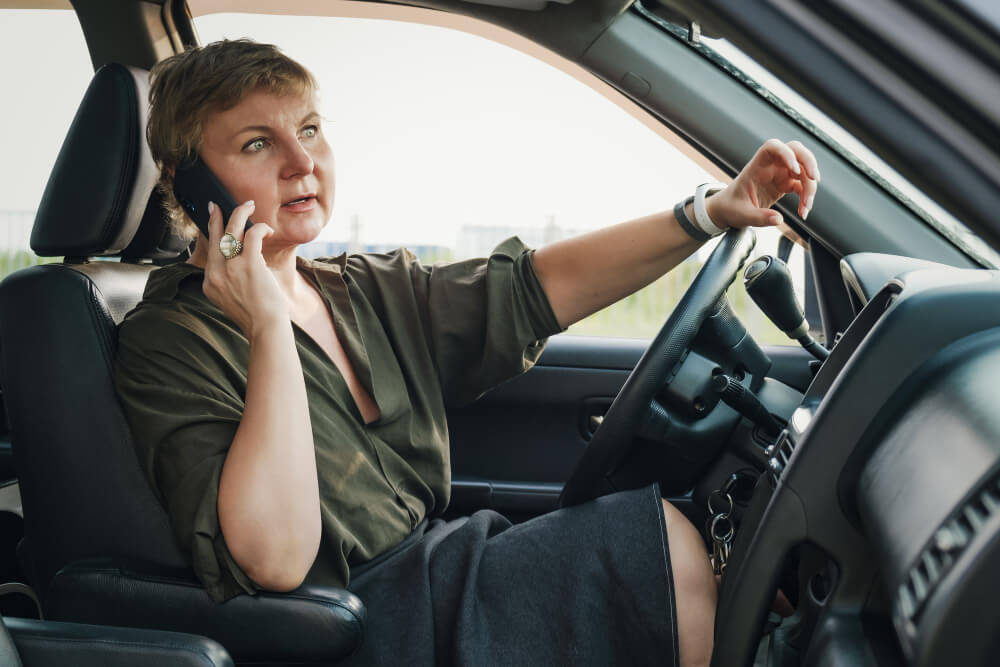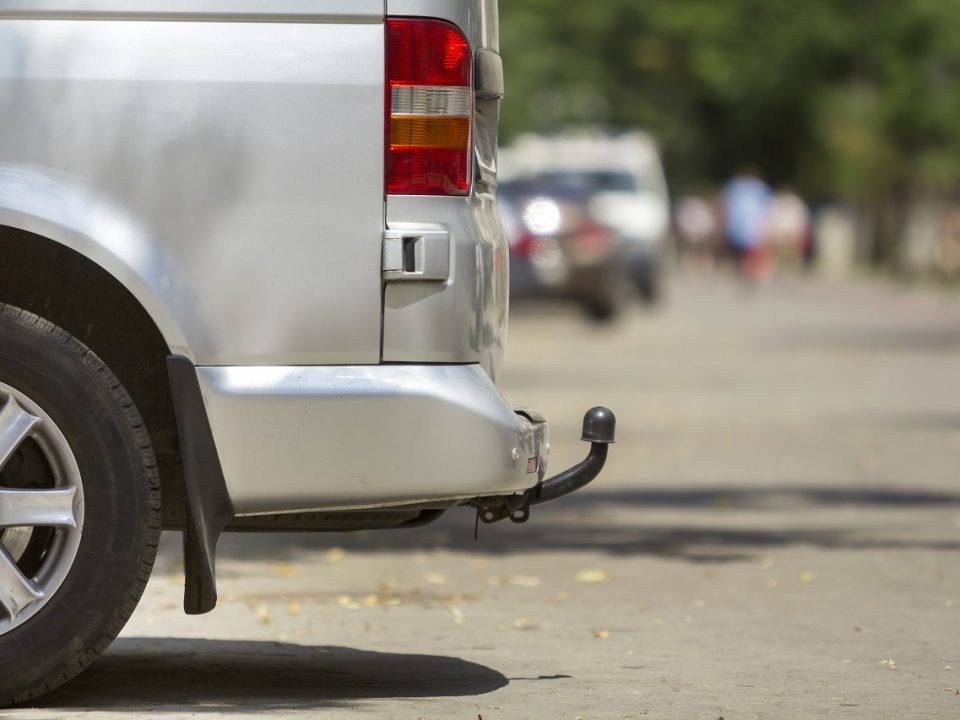


Breaking down on the side of the road is stressful enough without having to figure out what comes next. Most drivers focus entirely on getting help as quickly as possible, which makes sense, but the window between making that call and help actually arriving is where the real risk often lives. Knowing how to safely wait for roadside assistance can make a significant difference in how the situation unfolds. This article walks through the key steps every driver should take while waiting, from the moment the vehicle stops to the moment help pulls up. If you are already in that situation and you are in the Orlando area, you can reach us at Nimble Towing Service by calling (407) 357-0777.
The first priority after a breakdown is distance from traffic. If the vehicle is still moving, steer it as far onto the shoulder as possible, or better yet, into a nearby parking lot, side street, or exit ramp. Avoid stopping on curves or hills where other drivers have limited sightlines and less time to react.
In Florida, the Move Over Law requires drivers to move to the nearest safe location when a vehicle becomes disabled on a highway. Even beyond the legal requirement, creating that physical buffer between your car and the travel lane is the single most impactful thing you can do for your safety in those first moments. Every extra foot of distance from live traffic matters. Do not stop where you first feel the problem unless you have no other choice.
Hazard lights should go on immediately, even before the vehicle has fully stopped. This is non-negotiable. They are the fastest way to communicate to other drivers that something is wrong, and they work in daylight, rain, and at night.
If you have road flares or reflective triangles in your vehicle, use them. Place them behind the car at intervals of roughly 50 to 100 feet to give approaching traffic enough warning time to move over. Florida’s frequent afternoon rain showers can reduce visibility significantly, making these extra signals more than just helpful.
This is one of the most debated points in roadside safety, and the honest answer is that it depends on your specific situation.
As a general rule, staying inside the vehicle with your seatbelt fastened is the safer option when you are stopped on a high-speed road or highway. The vehicle itself offers a layer of protection if another car drifts onto the shoulder. However, there are situations where getting out is the smarter move:
If you do exit the vehicle, move away from the road side and stay behind any available barrier. Never stand between your vehicle and oncoming traffic.
Hazard lights handle a lot of the work, but visibility does not stop there. Opening the hood is a widely recognized distress signal that tells other drivers and passing authorities that you need help. At night or during heavy rain, a flashlight or even your phone’s built-in flashlight can make you much more visible from a distance.
A reflective safety vest is one of the most underrated items to keep in a vehicle. It costs very little, takes up almost no space, and dramatically increases how visible you are if you need to stand outside. Nighttime breakdowns and Orlando’s rainy season create exactly the kind of low-visibility conditions where small details like this carry real weight. If you are not sure what to keep in your vehicle for moments like this, we put together a full guide on building an emergency car kit tailored to Orlando’s conditions.
Once you are safely stopped and waiting, personal safety becomes the priority. Keep your doors locked. Stopped vehicles on roadsides can occasionally attract unwanted attention, and staying locked is simply a smart habit to maintain.
If someone approaches your vehicle unexpectedly, you are not obligated to roll down your window or unlock the door. A cracked window is enough for communication until you can confirm who you are dealing with. When the roadside assistance provider arrives, they should be able to confirm your name, the service requested, and your location. Do not hesitate to ask for that confirmation before stepping out.
Knowing where you are sounds simple, but it is harder than expected when you are stressed and on an unfamiliar stretch of road. Before you call for help, note your surroundings. Look for mile markers, highway signs, cross streets, or nearby landmarks. You can also pull up your GPS coordinates directly from your phone’s maps app if the address is unclear.
Once help is on the way, keep your phone charged. If your battery is running low, plug in now. Let a trusted contact know you are stopped and waiting so someone else is aware of your situation. Keep the line with the service provider accessible in case they need to reach you with updates.
Most roadside waits are uneventful, but not every breakdown happens in a convenient spot. If you are stopped in an isolated area at night, in an unfamiliar part of town, or in any situation where you feel your personal safety is at risk, do not wait it out alone.
Calling 911 is always the right move when there is an immediate safety concern. For situations that are uncomfortable but not emergencies, a non-emergency police line can send a welfare check to your location while you wait. Your safety takes priority over the logistics of the breakdown.
The steps covered here are straightforward: get off the road, get visible, make the right call about staying in or getting out, and stay alert until help arrives. Done consistently, these habits turn a genuinely stressful situation into a manageable one.
One of the best things any Orlando driver can do is save a reliable local number before they ever need it. When you are already dealing with a breakdown is not the time to search for help. You can save our number now and reach us at Nimble Towing Service anytime at (407) 357-0777. Having that contact ready ahead of time is a small step that can make a real difference when it counts.