
When air brakes aren’t working right, the safest move is to treat it like a potential “do not drive” situation until you know your air pressure is stable and the braking response is normal. A warning buzzer, dropping air pressure, a brake pedal that suddenly feels different, or a parking brake that won’t hold can turn into a runaway problem fast, especially in traffic or on grades. If you’re in the Orlando area and you need a safe move off the road or recovery for a truck that can’t be driven, Nimble Towing Service can help with heavy duty towing at (407) 357-0777.
Get yourself and everyone around you out of the danger zone first. If the vehicle still has braking control, slow down smoothly, signal early, and aim for the safest available stopping spot such as a wide shoulder, an off-ramp, a parking lot, or a turnout. Avoid sharp steering inputs and avoid riding the brakes to “feel them out.” Keep your speed low, increase following distance, and assume your stopping distance may be longer than normal.
Once you’re stopped, set your parking brakes, turn on hazards, and make the scene visible. If you carry triangles, set them out according to your company policy and roadway conditions. Stay out of traffic side doors if you can, and keep yourself positioned where an approaching vehicle is less likely to strike you. If you smell burning, see smoke, or hear a major air leak, shut the vehicle down and stop troubleshooting in the lane or on a narrow shoulder.
If you had to stop somewhere risky and the vehicle is not clearly safe to move, treat that as the moment to call for help rather than trying to “nurse it” to a better spot.
Some air brake symptoms are inconvenient. Others are the kind that should end the trip immediately because you can lose braking without warning.
Low air pressure alarms or warning lights deserve immediate respect, even if the truck still seems to slow when you press the pedal. Your brakes may apply once or twice and then fade as pressure drops, or your spring brakes may start to apply unexpectedly as system pressure falls.
A brake pedal that suddenly goes soft, goes to the floor, requires pumping, or behaves differently from stop to stop is another red flag. Air brake systems are designed to be consistent. Big changes usually mean pressure problems, valve issues, or a serious leak.
Air pressure that builds very slowly, won’t reach normal operating range, or drops while you’re parked is also a stop-now situation. Likewise, a constant loud hissing you can’t quickly identify, or a parking brake that won’t release or won’t hold, should be treated as unsafe.
If you’re on a grade, in heavy traffic, or hauling weight, these warning signs aren’t “see if it makes it to the yard.” They’re “get it stopped and stabilized.”
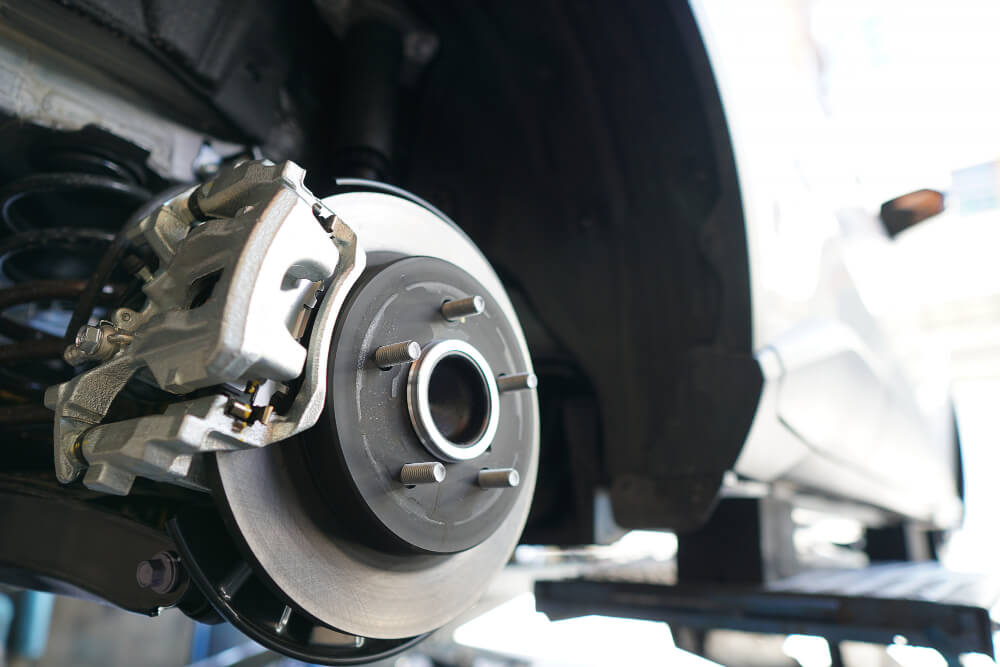
Air brakes work because stored compressed air moves valves that apply braking force at the wheels. The compressor builds pressure, reservoirs store it, and valves send that pressure where it needs to go when you press the pedal. If pressure is low, if a valve is sticking, or if a line is leaking, you can end up with weak braking, delayed braking, or brakes that apply when you don’t want them to.
It also helps to separate service brakes from spring brakes. Service brakes are what you use with the pedal for normal stopping. Spring brakes are your parking and emergency side. On many vehicles, spring brakes are held off by air pressure. When pressure drops too far, they can apply. That’s a safety feature, but it can create a dangerous situation if it happens unexpectedly on the road or if it locks you in place where you stopped.
Modern combinations and straight trucks vary, and manufacturer procedures matter, but the big takeaway is simple. Stable pressure and predictable response are non-negotiable. If either is missing, the goal is to stop safely and avoid making the situation worse.
The best roadside checks are the ones that keep you upright, out of traffic, and away from moving parts. You’re looking for obvious problems, not trying to become a brake technician on the shoulder.
Before you touch anything, look at what the truck is telling you. Note air pressure readings and how they change. If you can’t build pressure to normal operating range, or if pressure drops quickly with the engine off, you’ve learned something important without turning a wrench.
Pay attention to whether warnings are steady or intermittent. Flickering lights and alarms that come and go can point toward a loose connection or a leak that opens under vibration, but intermittent does not mean safe. Intermittent problems often become constant at the worst time.
If you’re able to build pressure, watch whether it climbs normally or stalls. A system that takes far longer than usual to build may still get there eventually, but it can also indicate compressor, governor, or leak issues that will leave you stranded again soon.
A walk-around can tell you a lot quickly. With the vehicle secure, listen for sustained hissing near hoses, fittings, the trailer connections, and around air tanks. Some sounds are normal, like brief purge events, but a steady hiss that doesn’t stop is worth taking seriously.
Look for air lines that are hanging, rubbing, kinked, or visibly damaged. A line that’s chafing on a frame edge can fail suddenly. Also look for anything that suggests the truck had a recent impact with road debris, a curb, or a low obstacle. Even a “minor” strike can tear a line or damage a fitting.
If you suspect a leak, avoid putting your hands right up against fittings while the system is charged. A small cut in a line can behave like a high-pressure jet.
Moisture is a quiet troublemaker in air brake systems. Water in tanks and lines can contribute to corrosion and valve issues, and in cold snaps it can freeze and block airflow. If you have a routine for draining tanks as part of your operation, you already know how much water can appear.
On the roadside, though, draining tanks is not always the best move. If you’re not trained, if the shoulder is unsafe, or if you’re not sure how the vehicle is configured, skip it. Also, if you’re dealing with a pressure problem already, draining can take you from “marginal” to “immobile.”
If you do have the ability to drain safely, what comes out matters. Seeing a lot of water or oily residue can support the idea that contamination is contributing to the problem, but it doesn’t replace a proper inspection. It just helps you decide whether it’s worth attempting to proceed or whether you should plan on service and possibly a tow.
If the issue showed up right after hooking to a trailer, start with the connection points. Verify the air lines are connected correctly and seated. A misconnected or poorly sealed glad hand can leak enough air to cause pressure drop or brake application issues.
Look for damaged or dragging air lines between tractor and trailer. Also pay attention to the trailer itself. A wheel end that’s locked, smoking, or unusually hot can change how the whole rig feels under braking, and it may tempt you to keep pushing the pedal harder, which creates more heat and more risk.
If you suspect a trailer brake problem, it’s often safer to stop and get help than to gamble on the next mile.
A major air leak is one of the most obvious causes. It can come from a failed hose, a loose fitting, a damaged line, or a component that cracked. This often shows up as a steady hiss and a pressure gauge that won’t hold.
Sometimes the system can’t build pressure properly. That can involve the compressor, the governor, or related plumbing. Drivers often notice this as unusually slow pressure build, pressure that stalls below normal, or repeated alarms even after running the engine.
Valves and chambers can also create problems that feel like “brakes not working” even when pressure looks acceptable. A sticking relay valve, a failing brake chamber, or damaged lines to a specific axle can cause pulling, delay, or inconsistent response. In those cases, the truck might seem okay at low speed and then behave unpredictably under heavier braking.
Weather and contamination play their part too. Moisture, oil carryover, and debris can contribute to valves that don’t move cleanly. In colder conditions, freeze-ups can mimic a major failure because air simply can’t flow where it needs to go.
The common thread is that the symptoms usually get worse with time and use. If something already feels off, continuing to drive rarely “clears it out.” It usually escalates it.
If your braking response is unreliable, avoid repeatedly pumping the pedal hoping pressure returns. You can deplete stored air and reduce your options. Avoid pushing the truck farther “just to see if it comes back” when warnings are active. The risk is not just that you can’t stop. It’s also that spring brakes can apply in an unsafe spot, locking you into a bad position.
Avoid improvised repairs like clamping or plugging lines unless you are trained and authorized to do so with the correct parts and procedures. Air brake systems are safety-critical, and a bad roadside fix can fail under load, on a grade, or during an emergency stop.
Also avoid crawling under a truck on the shoulder or near traffic. Even a stable-looking shoulder can become a dangerous work zone in seconds.
If the truck isn’t safe to drive, your goal shifts to protecting the scene and setting up a smooth handoff to whoever is coming to help.
Gather details you can share in one call. Your exact location and direction of travel, whether you’re on an interstate shoulder or a surface street, the vehicle type, whether you’re loaded, and what symptoms you observed are the big ones. Note what the gauges did, whether you heard a constant air leak, and whether the parking brakes are holding. If you’re safe to do so, photos of gauges and any visible hose damage can help.
If you’re loaded or have clearance constraints, mention them early. Heavy vehicles may require specific equipment and planning to move safely. This is where heavy duty towing becomes less about “getting a tow” and more about managing risk. A controlled recovery can prevent additional damage and keep everyone safer than a risky attempt to limp to a shop.
Most air brake failures don’t come out of nowhere. They develop as slow leaks, moisture buildup, worn hoses, or components that don’t respond as crisply as they should. Pre-trip habits matter, especially checking that pressure builds normally and that warnings behave as expected. If something feels different from your truck’s normal routine, treat that as useful information, not an annoyance.
Moisture control is another long-term win. If your operation includes draining tanks and maintaining air dryers, staying consistent reduces the odds of freeze-ups and sticking valves. Routine inspection of hoses, fittings, and mounting points can catch rubbing and cracking before they turn into a roadside shutdown.
Driving habits help too. Avoiding unnecessary brake heat and giving yourself stopping room reduces stress on the system. The less you force the brakes to do emergency-level work, the longer components tend to last.
Air brakes that aren’t working correctly are a safety problem first and a mechanical problem second. If you’re seeing low-air warnings, pressure that won’t build or won’t hold, a pedal that suddenly feels wrong, or any sign of a serious air leak, the safest choice is to get stopped in the best available location and avoid pushing the vehicle farther. If you’re stuck in the Orlando area and need a safe move for a commercial truck or heavy vehicle, Nimble Towing Service can assist with heavy duty towing at (407) 357-0777.